Winter Plumbing Protection: Why Pipe Prevention Matters in New Hampshire
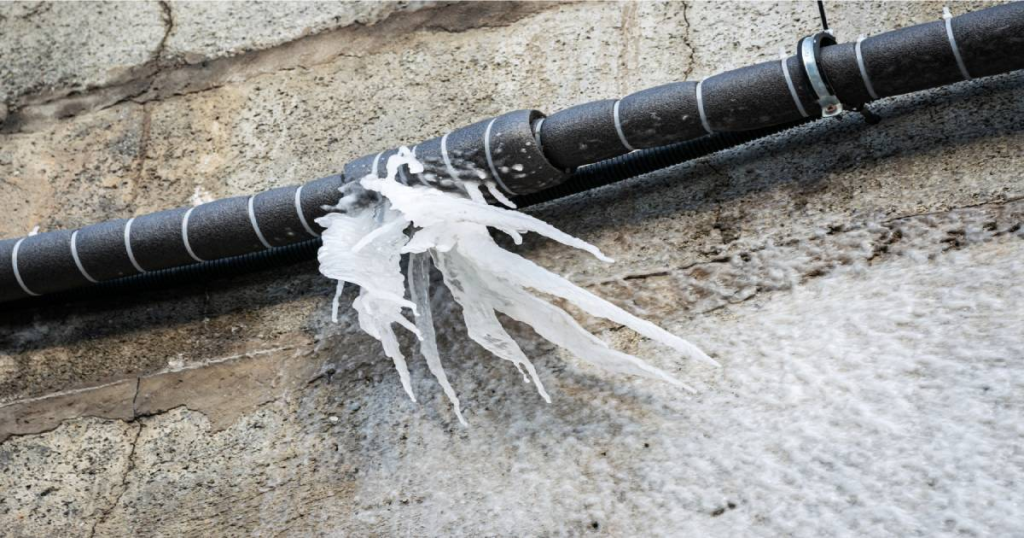
When severe freezing weather sweeps across New Hampshire, homeowners face a persistent seasonal threat: sub-freezing temperatures capable of turning static water inside residential plumbing into solid ice. As water freezes, it expands by roughly 9%, creating tremendous hydraulic pressure inside metallic or plastic piping. Left unmitigated, this pressure builds up until the pipe ruptures, leading to catastrophic indoor flooding, water damage, structural deterioration, and costly emergency repairs.
Preventing frozen pipes requires more than basic winter preparation; it demands an active defense strategy. Understanding where your home is vulnerable such as in unconditioned basements, crawlspaces, exterior walls, and attics allows you to take targeted action before the cold sets in.
By executing a systematic winterization strategy, you safeguard your home’s infrastructure, preserve indoor environmental quality, and eliminate the stress of winter plumbing emergencies.

The Science of Freezing Pipes: Understanding the Risk Factors
Plumbing lines do not freeze instantaneously when the outdoor temperature drops to 32°F (0°C). Typically, the danger zone begins when the outdoor temperature drops to 20°F or lower, particularly during extended cold snaps accompanied by high winds.
The severity of freeze risk depends on several critical mechanical and environmental factors:
- Thermal Insulation Margins: Pipes routed through exterior walls, unheated crawlspaces, unconditioned basements, or uninsulated attics lack sufficient ambient thermal protection.
- Air Infiltration and Drafts: Small gaps around rim joists, dryer vents, cable penetrations, or outdoor hose bibs allow freezing drafts to blow directly onto exposed water supply lines.
- Water Stagnation: Static water freezes much faster than moving water. Standing line pressure exacerbates structural stress when ice dams form inside supply runs.
- Material Composition: While cross-linked polyethylene (PEX) tubing possesses greater flexibility and expansion tolerance than rigid copper or polyvinyl chloride (PVC) pipes, no material is completely immune to burst damage under extreme conditions.
According to data published by the Insurance Institute for Business & Home Safety (IBHS), freezing pipes represent one of the leading causes of residential property damage during winter months, causing thousands of dollars in water remediation expenses per incident.
How to Prevent Frozen Pipes in Winter: Step-by-Step Defense Plan
Protecting your plumbing requires a multi-layered approach that addresses thermal retention, air sealing, and water flow management. Implementing these proactive measures before sub-zero temperatures arrive ensures your home stays protected throughout the coldest months.
Step 1: Seal Air Leaks Near Plumbing Runs
Drafts are often more dangerous to plumbing lines than ambient cold air alone. A steady stream of freezing outdoor air directed at a single point on a copper pipe can freeze static water in hours, even if the surrounding basement remains above freezing.
Inspect your home’s perimeter, focusing closely on areas where plumbing lines enter or exit:
- Foundation Walls and Rim Joists: Seal small gaps using exterior-grade silicone caulk or expanding spray foam insulation.
- Utility Penetrations: Fill voids around outdoor faucets, cable lines, gas pipes, and dryer vents.
- Crawlspace Vents: Close and seal foundation vents during the late autumn months to block cold wind infiltration under your flooring.
Step 2: Insulate All Exposed Water Lines
Thermal insulation slows the transfer of heat from the water inside the pipe to the surrounding cold air. While insulation alone cannot generate heat, it provides a vital thermal barrier that keeps standing water above the freezing point during brief cold snaps.
Focus your pipe insulation efforts on unconditioned spaces:
- Fit pre-slit tubular foam sleeves or fiberglass pipe wrap over exposed copper, PEX, and galvanized steel pipes in basements, crawlspaces, attics, and garages.
- Ensure seams and joints are wrapped tightly and secured with heavy-duty duct tape or cable ties to prevent gaps.
- Install foam hose bib covers over all external spigots after disconnecting, draining, and storing outdoor garden hoses.
Step 3: Maintain Consistent Interior Heating
A common cause of frozen pipes in winter is turning the home thermostat down too low at night or while away on vacation to save on heating bills.
To maintain proper thermal balance:
- Set Your Minimum Temperature: Never allow your home’s thermostat to drop below 55°F (13°C), even when you are traveling or away for extended periods.
- Keep Interior Doors Open: Open bedroom, hallway, and utility closet doors to allow heated air to circulate freely throughout the entire floor plan.
- Expose Under-Sink Plumbing: Open cabinet doors under kitchen and bathroom sinks situated against exterior walls. This allows warm ambient air from the living space to reach uninsulated supply lines and trap doors.
Step 4: Let Water Drip During Extreme Cold Snaps
When outdoor temperatures drop below 20°F, or during severe winter weather advisories, open faucets served by exposed or vulnerable supply lines to allow a slight, steady trickle of cold water to flow.
Moving water through the pipe system makes it significantly harder for ice to form and form solid blockages. More importantly, leaving a tap slightly open relieves interior static pressure between the ice blockage and the faucet, preventing the pipe from bursting even if a partial ice dam begins to develop.
Comparative Matrix: Protective Measures for Winter Plumbing
| Mitigation Strategy | Difficulty Level | Relative Cost | Primary Benefit |
| Foam Pipe Insulation | Low (DIY Friendly) | Low ($) | Slows heat loss in unconditioned spaces |
| Draft & Air Sealing | Moderate | Low ($) | Eliminates direct freezing wind exposure |
| Thermostat Management | Low | Free ($0) | Preserves baseline thermal mass indoors |
| Faucet Drip Technique | Low | Minor water usage | Relieves pressure and keeps water moving |
| Professional Heat Trace Cable | High (Requires Pro) | Moderate ($$) | Actively supplies thermal energy to pipes |
What to Do If Your Pipes Freeze
Despite careful preparation, extreme cold waves can still catch homeowners off guard. Knowing how to react quickly if water pressure drops suddenly can mean the difference between a simple thaw and a catastrophic pipe rupture.
Recognizing the Early Signs of a Frozen Pipe
- No Water Flow: Turning on a faucet yields only a few drops or a thin trickle.
- Frost on Exposed Piping: Visible ice crystals, condensation, or bulging frost layer on copper or PEX lines in the basement or garage.
- Unusual Odors: A blockage in a vent stack or drain line can trap sewer gases, creating unusual smells near sink drains.
Safe Thawing Protocol for Homeowners
If you suspect a pipe has frozen, act immediately but safely:
- Keep the Faucet Open: Opening the tap allows melting water to drain and provides pressure relief as the ice thaws.
- Locate the Main Water Shutoff Valve: Familiarize yourself with your main water valve before winter hits. If a pipe has already split, turning off the main supply prevents flooding as the ice melts.
- Apply Gentle Heat: Use an electric heating pad wrapped around the pipe, a portable hair dryer, or warm towels soaked in hot water. Start applying heat near the open faucet and work backward toward the frozen section.
- NEVER Use Open Flames: Never use blowtorches, propane heaters, or open-flame devices to thaw pipes. Fire hazards and thermal shock can cause immediate pipe rupture or ignite surrounding building materials.
If you cannot locate the frozen section, if the pipe is inaccessible inside a finished wall, or if you discover a split pipe line, shut off your main water valve immediately and contact a licensed professional for emergency service.
Long-Term Upgrades: Professional Winterization Solutions
For older New Hampshire residences with recurring freezing issues, basic DIY steps may not offer full protection during severe winter weather. Long-term structural upgrades provide lasting peace of mind and protect your property investment.
Installing Electric Heat Tracing Cable
Self-regulating heat tape can be wrapped along high-risk supply runs in crawlspaces or unconditioned garages. These cables automatically adjust their heat output based on ambient temperature, ensuring pipes remain above freezing without wasting electricity.
Rerouting Vulnerable Supply Lines
If your home features water lines installed along exterior walls or in poorly insulated attic floors, a professional plumber can reroute those supply lines through insulated interior wall cavities, permanently removing them from freeze-prone areas.

Upgrading Outdoor Faucets to Frost-Free Sillcocks
Standard outdoor spigots trap water near the exterior wall. Replacing them with frost-free hose bibs places the actual shut-off valve deep inside your heated interior wall cavity, preventing water from remaining in the cold zone.
To ensure your home remains safe, warm, and dry all season long, schedule a comprehensive plumbing inspection or request professional assistance with how to prevent frozen pipes from local service experts before the winter freeze arrives.